



Some chocolate stories begin with a prop plane landing in the remote Bolivian Amazon. Others start deep in Brazilian rainforests where improvement in post-harvest processing can transform genetically gifted cacao into something extraordinary. This month, we're following both kinds of stories—and the dedicated makers who bring wild, heirloom cacao from some of the world's most remote origins to your door.
Meet Rich Tango-Lowy: From Dancing Lion to Heirloom Preservation
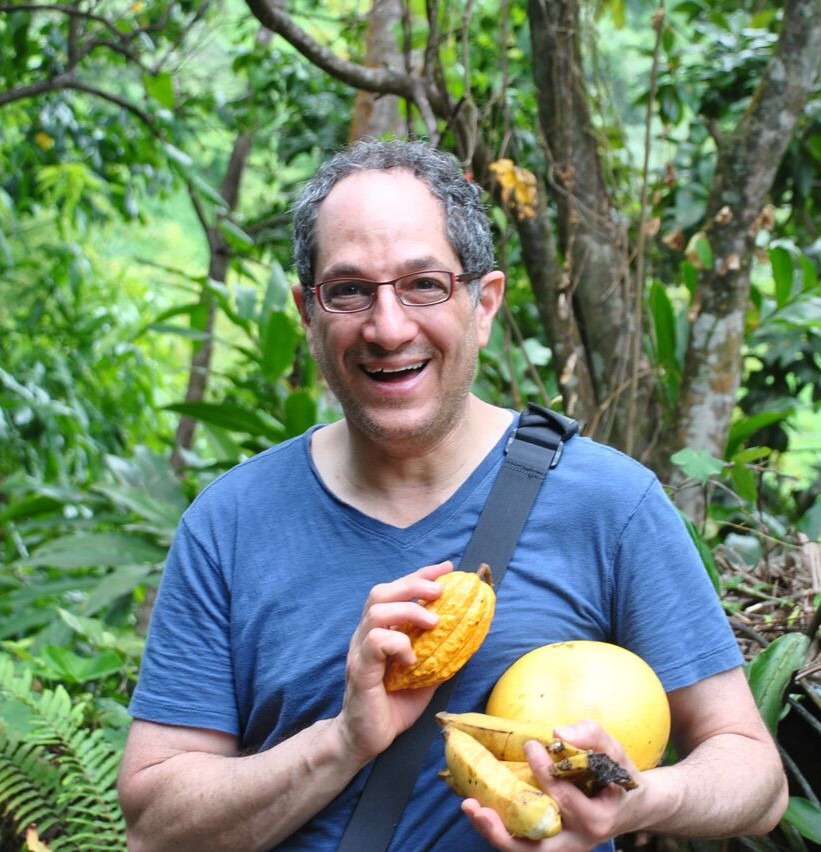
Originally a physicist, Rich Tango-Lowy has been working with chocolate since 1996. For nearly two decades, he ran Dancing Lion Chocolate in Manchester, New Hampshire, crafting one-of-a-kind confections using some of the finest craft chocolate from small-batch makers. His philosophy was delightfully ephemeral: he made a flavor once, and when it was gone, it was gone. In 2019, Rich began producing his own couverture chocolate, focusing on Heirloom and rare cacao.
I've known Rich for years through our work with the Fine Chocolate Industry Association, and I count myself fortunate to have visited Dancing Lion in 2021. We made a last-minute detour on our drive from Hanover to Boston, stopping to enjoy authentic cups of drinking chocolate that connected us to cacao's roots while we savored unique bonbons in his cozy downtown storefront.
I'm glad we didn't miss that opportunity. After closing Dancing Lion this past October, Rich moved to Costa Rica and took on the role of Board President of Heirloom Cacao Preservation.
What Makes Cacao "Heirloom"? The Answer Is Flavor
Heirloom Cacao Preservation ("HCP") was launched in 2012 through a partnership with the USDA's Agricultural Research Services and the Fine Chocolate Industry Association. It emerged in response to global pressures—environmental change, deforestation, and economic forces—threatening the world's supply of flavorful cacao.
As a 501(c)(3) nonprofit, HCP works to enhance the lives of cacao farmers and their families through education and tangible resources. They encourage ethical farming practices and actively support farmers at origin. Their mission: to discover, identify, and preserve fine flavor Heirloom cacao varieties for the conservation of biological diversity and the empowerment of farming communities.
What I find fascinating about HCP's approach is their commitment to flavor first. When I first learned about "heirloom" designation, I assumed it referred primarily to unique genetic properties. But HCP's process begins with taste. An esteemed panel of expert tasters evaluates the beans first. If the flavor is exceptional, only then is the cacao sent to the USDA for genetic testing. The genetics provide interesting data that may help us understand where the flavor comes from, but genetics alone don't determine heirloom status.
This flavor-first philosophy resonates deeply with me. At the end of the day, it's the flavor that matters. The biome where cacao grows—the soil, climate, surrounding plants—also shapes flavor in ways genetics can't fully capture. It's this complete picture that makes each origin unique.

This Month's Exploration: Four Bars, Four Stories
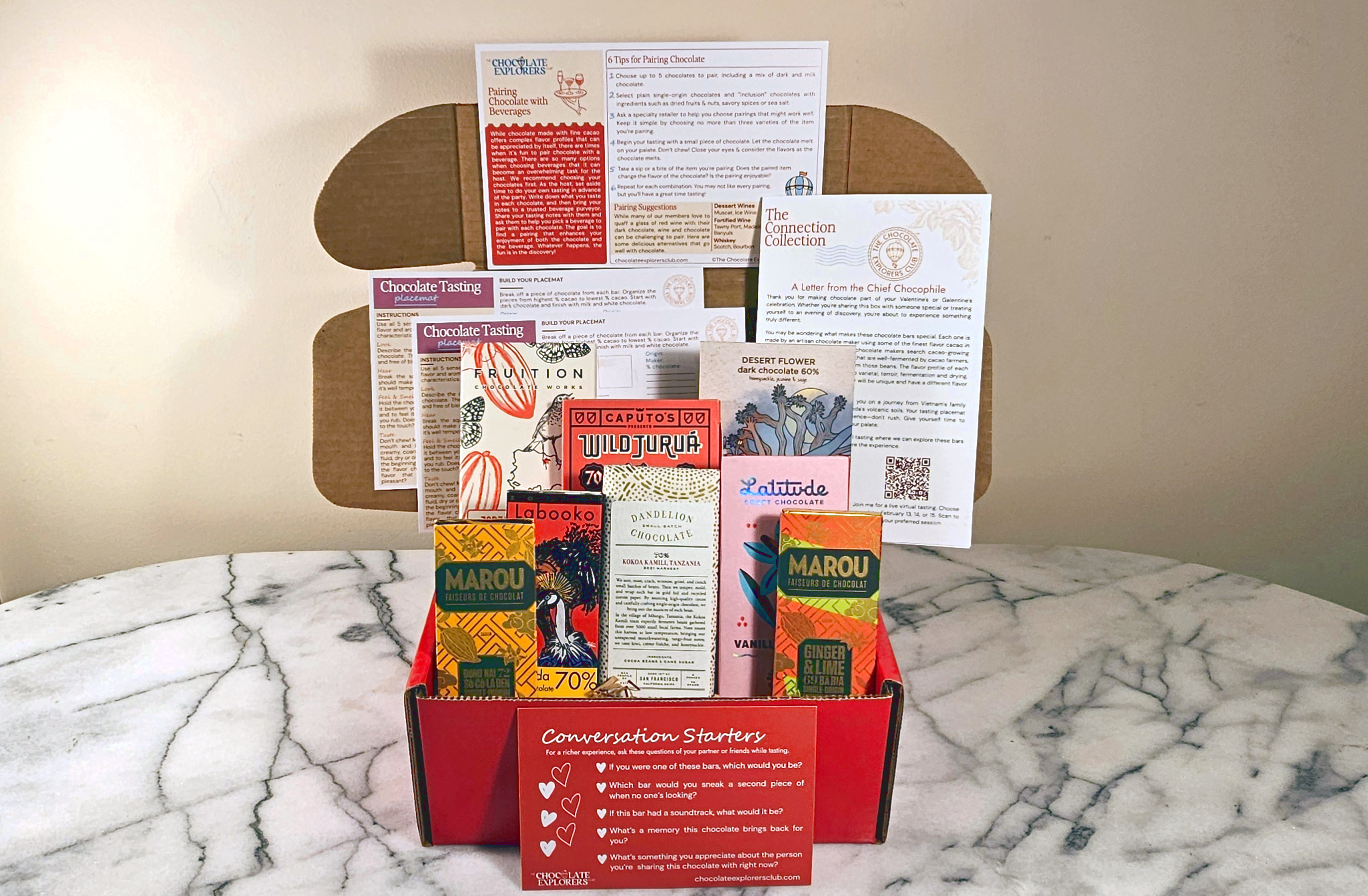
We're tasting four exceptional bars this month. Three are made with HCP-designated cacao and one comes from cacao with a story remarkably similar to HCP's mission. The designation process is complex—testing and designation happens tree by tree, so cacao must come from a tested tree to carry HCP designation. But whether officially designated or not, each of these bars represents the pursuit of extraordinary flavor and the preservation of rare cacao.
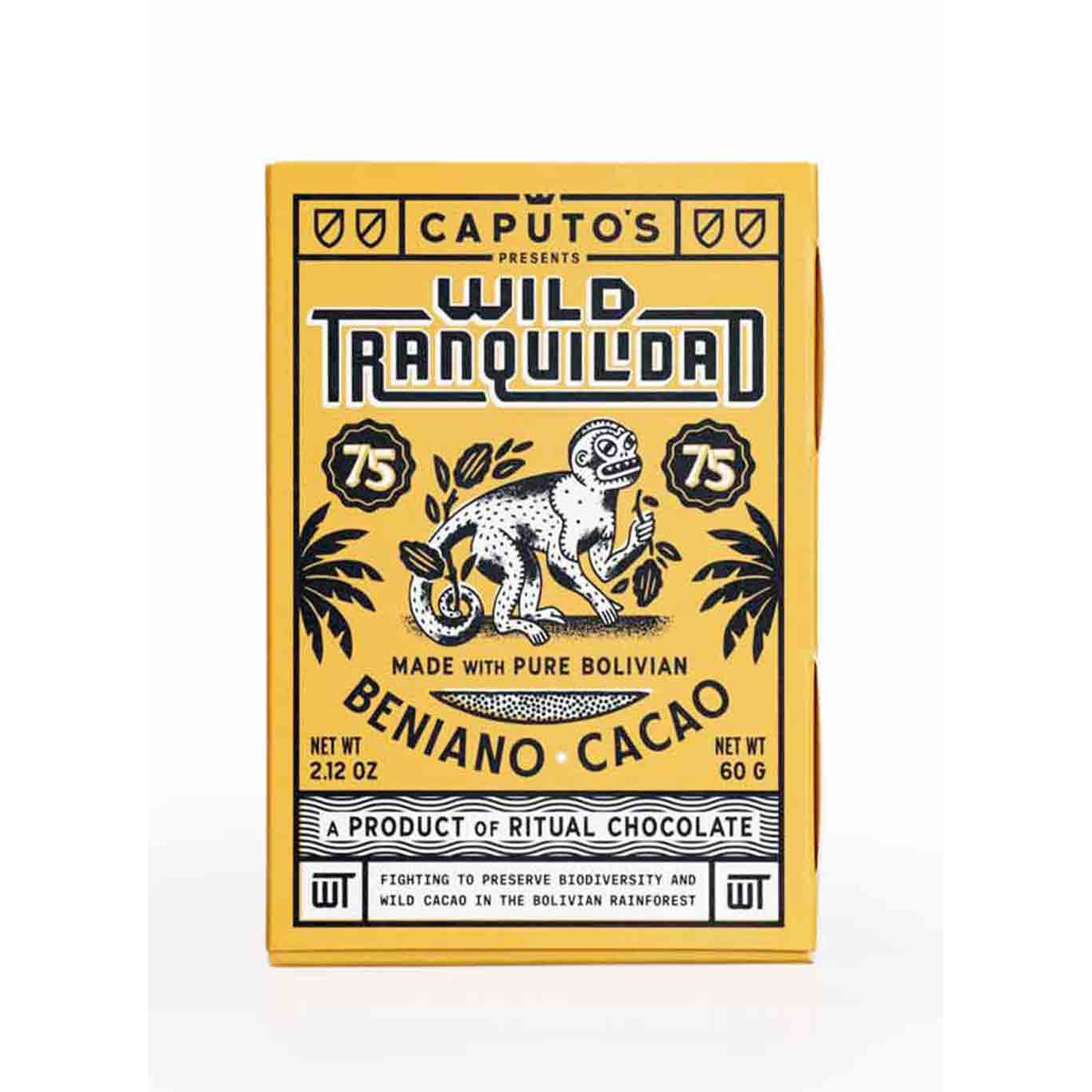
Caputo's Presents Wild Tranquilidad 75% (Bolivia)
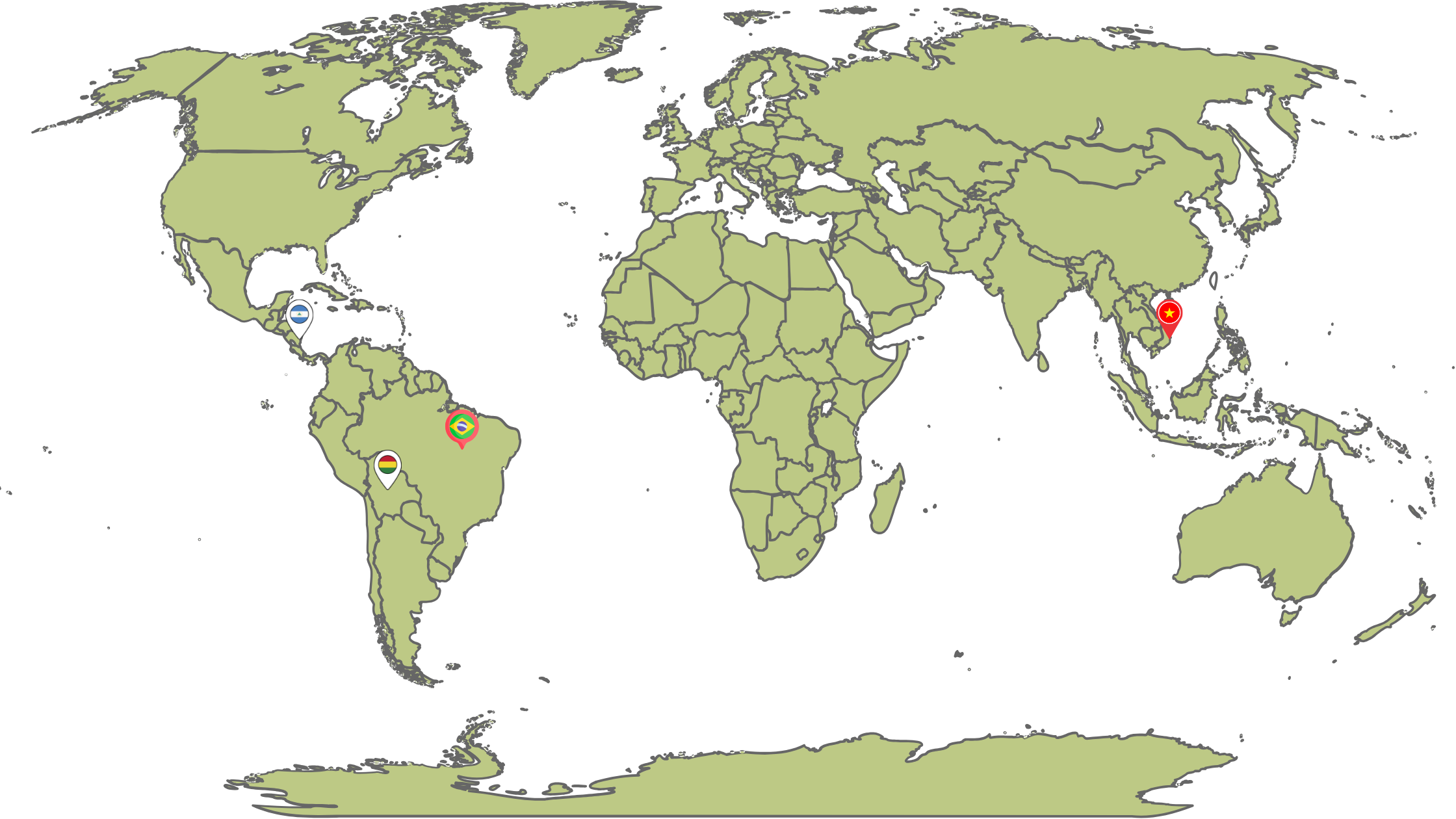
Made by Ritual Chocolate in Park City, Utah for Caputo's Market, this bar features wild beniano cacao from the remote Bolivian rainforest. It's HCP Designee #2.
The story behind this cacao reads like an adventure novel. Volker Lehmann, a German agronomist who has lived in Bolivia for years, made this cacao possible through dedication and no small amount of courage. To truly appreciate his accomplishment, I recommend Rowan Jacobsen's book Wild Chocolate: Across the Americas in Search of Cacao's Soul. The author chronicles his adventures following key figures in specialty chocolate, and it reads like fiction despite being entirely true.
Tasting Notes: Wood, honey, golden raisin, balsamic.
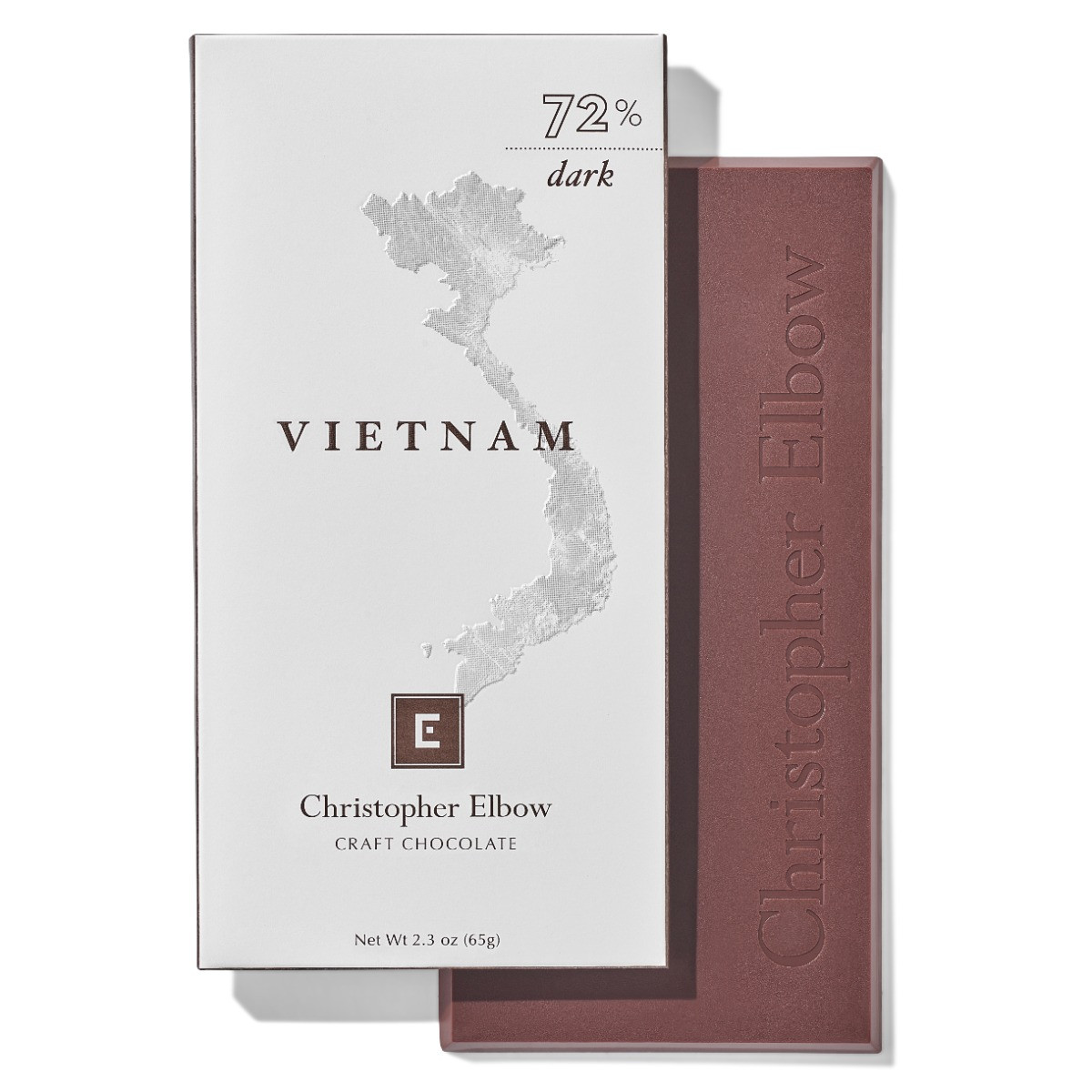
Christopher Elbow Vietnam 72%
Many of you know Christopher Elbow as an accomplished chocolatier, but he also makes bean-to-bar chocolate at his factory in Kansas City. This cacao comes from Tien Giang, Vietnam and was purchased from Marou Faiseurs de Chocolat, who received HCP designee #18 for this cacao.
Chris is an old friend who was happy to share his craft chocolate with our community of passionate tasters. His chocolate is typically only available in his Kansas City stores, making this a particularly special inclusion.
Tasting Notes: Vietnamese cinnamon, cardamom, allspice.
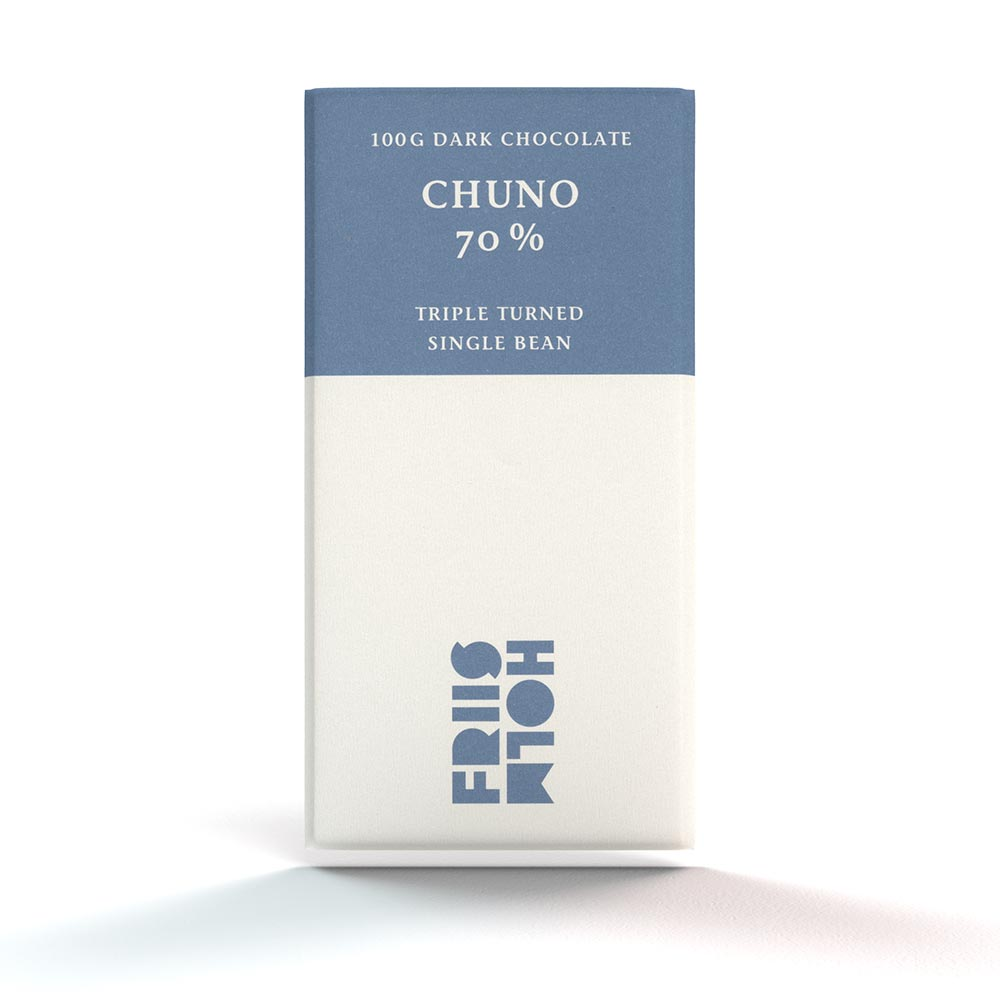
Friis-Holm Chuno 70% Triple Turned
Mikkel Friis-Holm is a talented chocolate maker in Denmark who consistently wins medals at the International Chocolate Awards. This bar just won Silver in the World Final 2025. The "Triple Turned" in the name refers to how many times the cacao is turned during fermentation - a detail that significantly impacts flavor development.
This Chuno cacao comes from Nicaragua and is sold by Ingemann Fine Cocoa, a Danish company working exclusively with Nicaraguan farmers. When I see "Ingemann" as the seller, I know both flavor and quality will be notable. This is HCP designee #12.
Tasting Notes: Figs & raisins, strawberries, molasses, chocolate fudge.
Caputo's Presents Wild Juruá 70% (Brazil)
Brazilian chocolate maker Luisa Abram is responsible not only for making this bar, but for finding and nurturing its cacao in the remote rainforests of Brazil. While not an HCP designee, its flavor and story are worthy of that recognition.
Luisa's journey - also chronicled in Rowan Jacobsen's Wild Chocolate - took her deep into the Brazilian Amazon to find wild cacao with tremendous potential. The challenge wasn't the genetics, it was helping improve post-harvest processing to unlock the flavor already present in the beans. Through training and support, Luisa worked with local communities to refine fermentation and drying techniques, coaxing out the phenomenal flavor this genetically gifted cacao is capable of producing.
Tasting Notes: Papaya, mango, guava, wood.

Why These Stories Matter
Behind each bar in this month's box is a commitment to preserving something increasingly rare: cacao that tastes distinctly of its place, grown by farmers who are supported in their work, and transformed by makers who understand that chocolate can be both a sensory experience and a force for good.
Whether it's Volker navigating remote Bolivian rainforests, Luisa working with Brazilian communities to refine processing techniques, or Rich dedicating himself to the long-term preservation of heirloom varieties, these stories remind us that specialty chocolate is about more than flavor alone. It's about the people, the places, and the practices that make exceptional flavor possible - and sustainable.
As we taste this month's selections, we're not just experiencing rare and remarkable chocolate. We're supporting a vision of chocolate's future where flavor, biodiversity, and farmer empowerment are inseparable.
Join the Journey
This is what membership in our chocolate community offers: not just access to remarkable chocolate, but connection to the makers, the missions, and the stories behind each bar. Every month brings new discoveries, new flavors, and new opportunities to understand chocolate more deeply.
If you're intrigued by chocolate that tells a story - chocolate that represents both adventure and preservation, both indulgence and purpose - we invite you to learn more about membership. There's always another origin to explore, another maker to meet, and another flavor to discover.